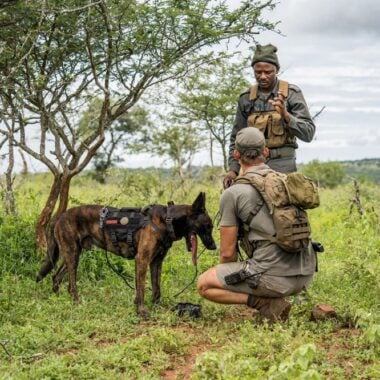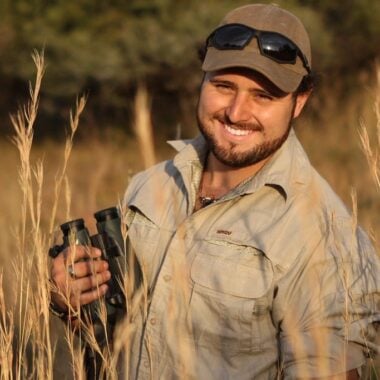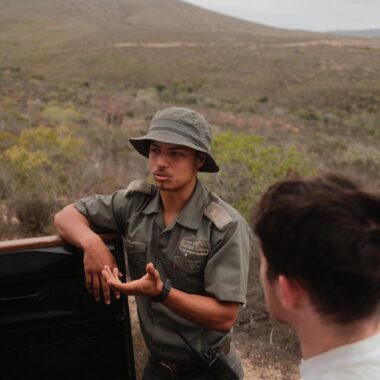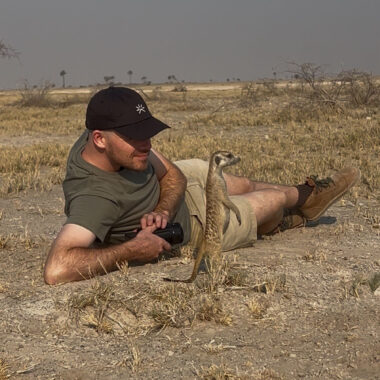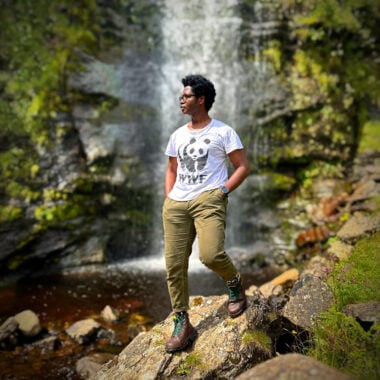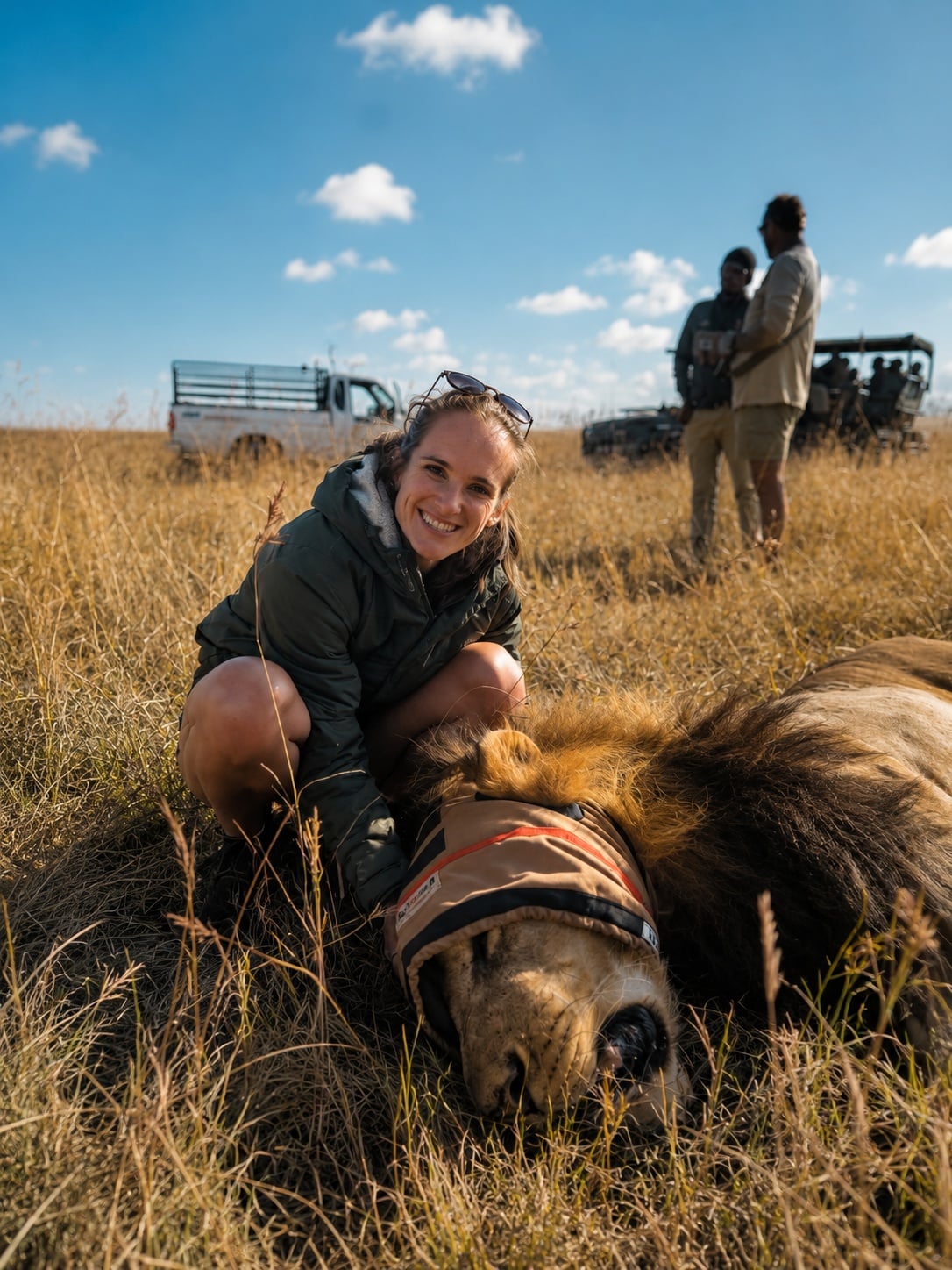
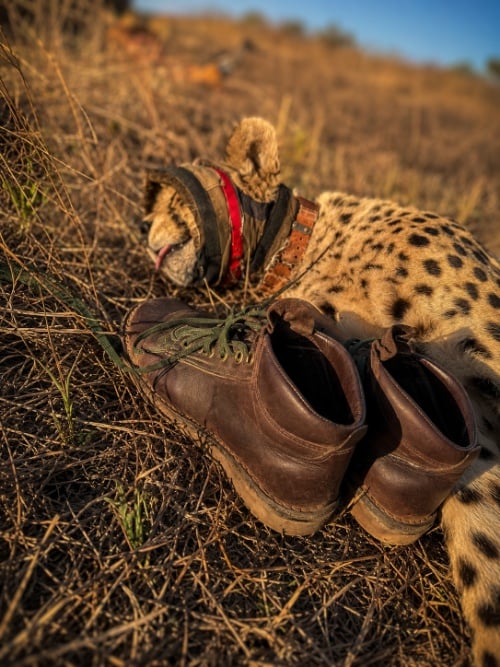
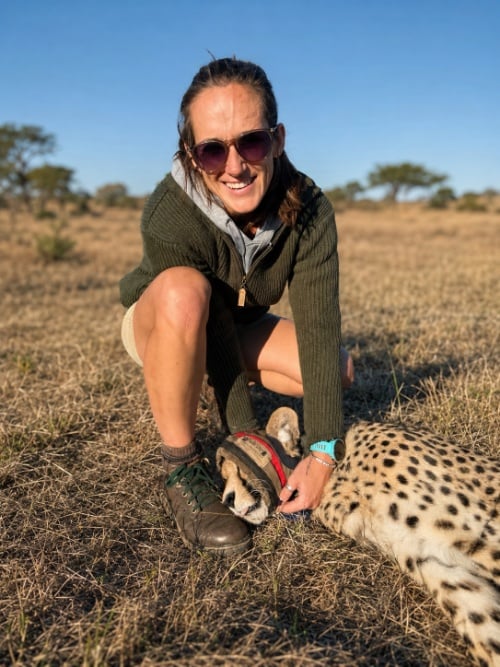
At the time of our call, Nambiti Private Game Reserve conservationist Leanne Deetlefs had one eye on the interview and another on the clock. A vet was due shortly to check on a cheetah.
Multitasking is fairly standard for Leanne. A typical day might involve tracking African wild dogs at first light, checking a cheetah cub’s stitches, feeding animals in bomas, reviewing camera trap footage, or preparing for a rhino dehorning. There’s also plenty of admin. “Never thought there’d be so much admin,” she laughs.
Originally from Johannesburg, Leanne has spent the past 13 years at Nambiti. She arrived for what was meant to be a week of experience on a cheetah rewilding project and never left. “Thirteen years later, I’m still on the reserve,” she says.
“Everybody sees the glorified picture,” she says. “You see the Instagram photos where you’re touching lions or tracking animals.” What those images don’t show is the harder reality.”
That staying power says a lot, because conservation wasn’t an easy field to enter. Like many people starting out, she hit the familiar catch-22: every opportunity required experience, but gaining experience without opportunities felt almost impossible. So she volunteered wherever she could, worked at wildlife rehabilitation centres and took on any hands-on work available.
She always knew she wanted to work with African wild dogs. It’s a species she’s been drawn to since childhood trips to Kruger National Park, and one that ultimately pulled her into conservation in the first place. It took longer than expected, but eventually things came full circle. Today, wild dogs are among the priority species she monitors at Nambiti.
“If it’s got a horn or sharp teeth, I’ll work with it,” she says. “If it’s growing leaves, don’t ask me.” Deadpan honesty runs through much of how Leanne talks about her work. She’s passionate about conservation, but equally passionate about challenging the version of it people often see online. “Everybody sees the glorified picture,” she says. “You see the Instagram photos where you’re touching lions or tracking animals.” What those images don’t show is the harder reality. It doesn’t show the long days of waiting. It doesn’t show the physical labour or emotional toll it takes. “There’s a lot of heartbreak,” she says. “There’s a lot of building bomas, digging holes and sitting for hours waiting.”
It’s exactly this side of the job that makes representation matter to Leanne. It remains a male-dominated field, and one she feels is still burdened by outdated assumptions about what women can and can’t handle.
“What the guys do is exactly what I’ll do,” she says. When fires break out, everyone helps. When animals need intervention, departments work together. Showing up matters more than job titles.
Her advice to young women wanting to enter the field is simple: get experience and stay open-minded. Conservation is far broader than most people realise. There’s guiding, anti-poaching, ecology, rehabilitation, vegetation science, marine conservation, species monitoring, community education, and countless other specialisations. Not everyone needs to follow the same path.
“People think conservation is one thing,” she says. “But there are so many different aspects.”
That willingness to put in the work extends beyond reserve life. Recently, Leanne completed the I Love Boobies 120 Challenge, a fitness fundraiser supporting breast cancer awareness. She’s also training for a 21-kilometre race, using the run to raise funds for African wild dog conservation.
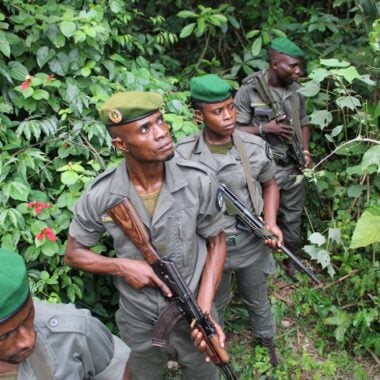
Fitness has become part of her daily life, especially because of the close relationship between Nambiti’s conservation teams and anti-poaching unit. Training sessions, runs, and endurance work often happen together.
That shared effort reflects something bigger. Leanne doesn’t believe conservation succeeds through individual heroics. She believes in teams and consistency and people doing difficult work, often without recognition, for outcomes they may only fully see decades later.
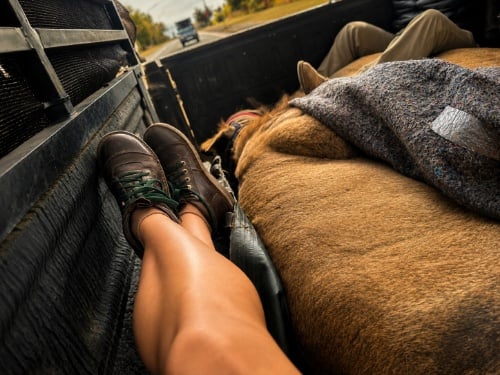
Cheetah numbers in South Africa are showing encouraging signs. Ethical wildlife tourism is growing. More people want to support conservation in meaningful ways. “It’s a slow process,” she says. “But there’s definitely a positive change coming.”
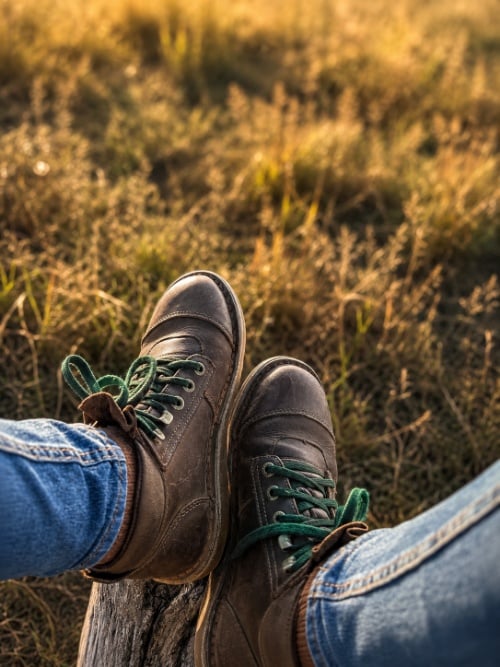
Leanne first encountered Jim Green when boots arrived for Nambiti’s ranger team through the Boots for Rangers initiative. Curious, she tried on a pair belonging to one of the guards. She immediately took a liking to them.
Before that, finding reliable bush footwear had been a constant frustration. Running shoes were comfortable but useless against thorns. Hiking boots offered protection but often felt too stiff or bulky. Jim Green struck a rare balance of comfort, durability, and practicality.
It didn’t take long for them to become her default shoes. Nearly nine months later, they’re still going strong. “I wear them day in and day out,” she says.
That’s high praise coming from Leanne. In the bush, there’s little use for anything that looks good on paper but doesn’t endure in the field.
Cheers,
The Jim Green Team