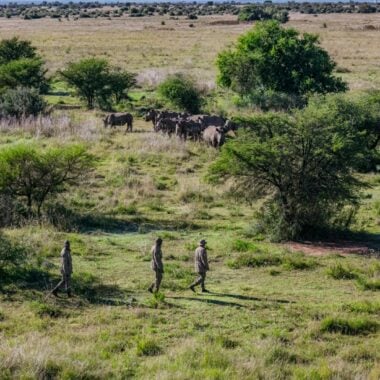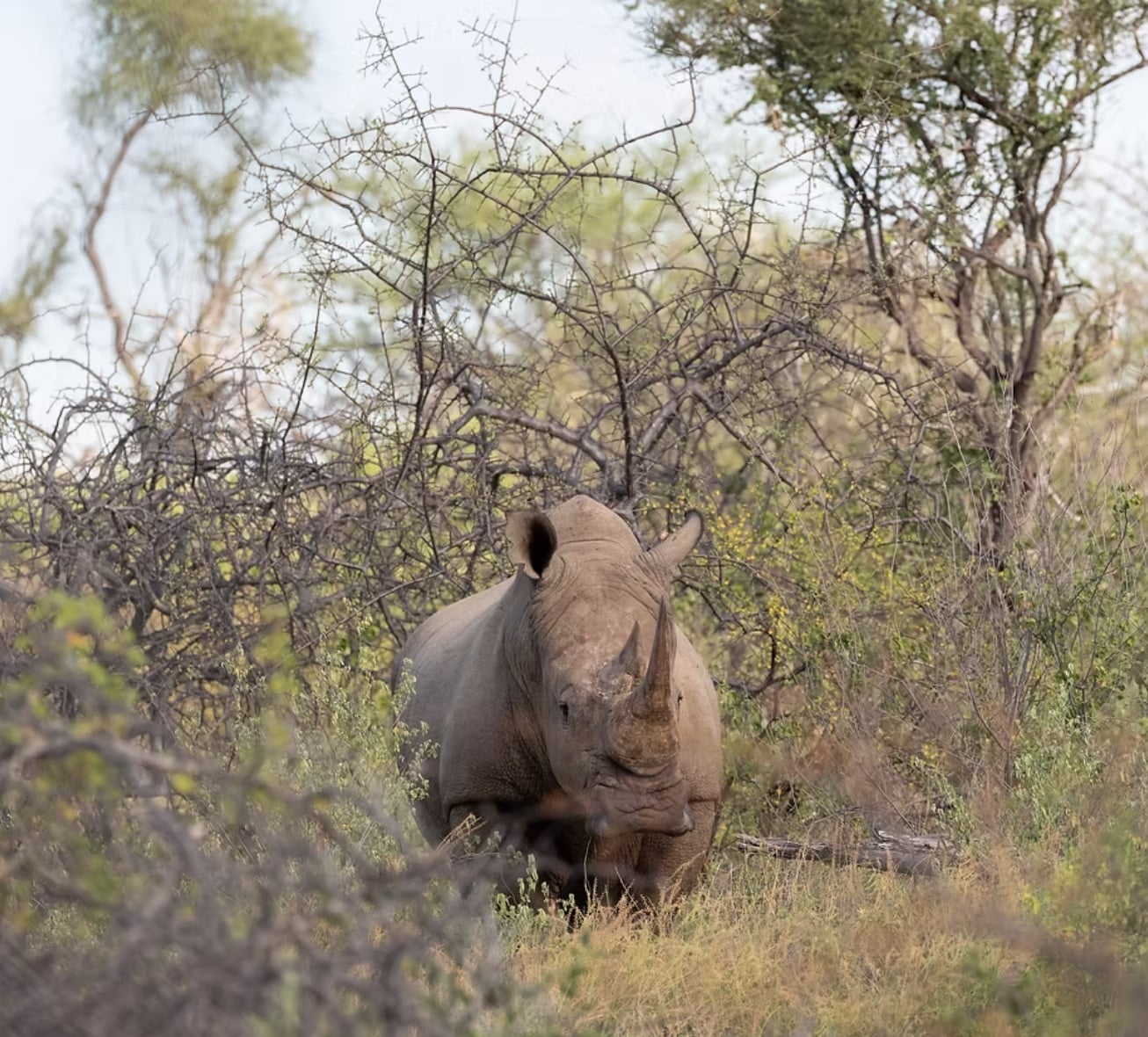
Rhinos were disappearing from Kenya’s community lands for decades, pushed out by poaching and rising insecurity, until most survived only behind the fences of heavily protected national parks. At Sera Conservancy in northern Kenya, that story has begun to change.
Sera became the first community-owned conservancy in East Africa to reintroduce both black and white rhino, a milestone made possible not by fences or force alone, but by trust too. The work began long before the first rhino arrived in 2015 with community meetings and years of building support among pastoralist families whose livelihoods depend on the land.
It’s deeply personal work for conservancy manager, Reuben Lendira. Having helped establish Sera Conservancy in 2001, he has spent nearly 25 years helping shape the project from the ground up. “The land belongs to the community and it is managed by the community,” he says. “The board of trustees are community members. They are the ones who own the conservancy.”
The idea that conservation works best when local communities are empowered sits at the heart of everything Sera does. Located in Samburu County, Sera is made up of two community lands, Sera and Suasa, with a wider population of roughly 20,000 people. Unlike many protected areas where conservation decisions are made externally, Sera’s governance flows from the people who live there. The community sits at the top of the organisational structure, guiding decisions that affect both people and wildlife.
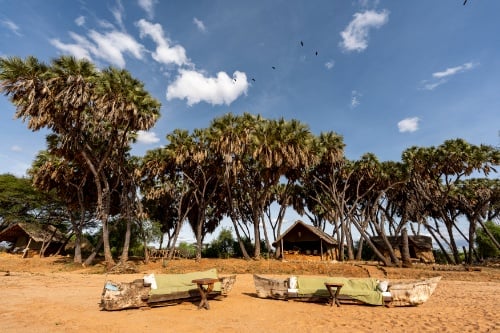
Community ownership became especially important when discussions began around bringing rhinos back. Rhinos had once roamed freely across this landscape, but by the 1980s poaching had pushed them into heavily protected state-run parks. Reintroducing them to community land represented a big moment and also a significant risk.
Before any rhinos arrived, Sera spent years speaking with elders, herders and community members about what the reintroduction would mean. There were concerns around fencing, grazing access and safety. Older residents still remembered rhinos and their formidable reputation. Community buy-in was essential. “We first created awareness with the community that we needed to bring rhinos and fence the area,” he explains. “Once the community agreed, it was not difficult.”
Securing funding presented a more difficult challenge. Rhino conservation is expensive. Protecting animals targeted by organised poaching syndicates requires infrastructure, vehicles, intelligence gathering, trained rangers and constant monitoring. Those costs can be daunting for a community-led conservancy.
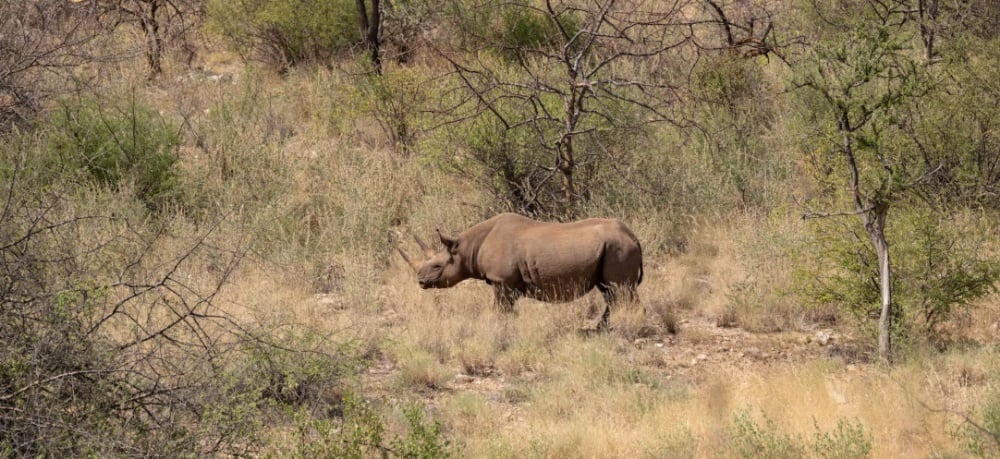
Yet the investment has since paid off. In 2015, Sera welcomed ten founder rhinos (five male and five female). In just nine years, that number has grown to 27, a remarkable breeding success that has exceeded national expectations.
Rhino conservation is only one part of Sera’s story. This is also a landscape shaped by the movement of livestock, wildlife and people. The communities surrounding Sera are pastoralist, and competition over grazing and water has long been one of the region’s biggest challenges. During dry seasons, access to natural resources can determine livelihoods and survival.
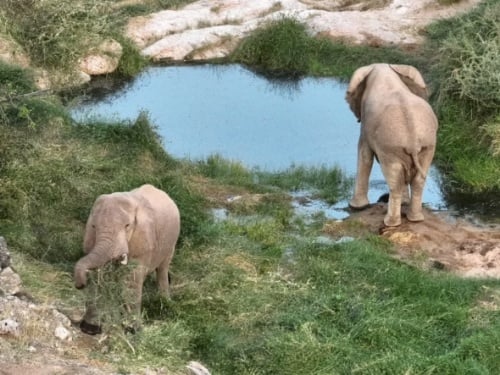
Recognising this early, Sera built conservation around rangeland management as much as wildlife protection. A grazing committee helps coordinate seasonal grazing plans, while a wider regional forum known as Greater Sera brings neighbouring communities together, including Borana, Rendille, Turkana and Somali groups. These regular meetings create space to discuss grazing access, migration routes and conflict prevention before tensions escalate.
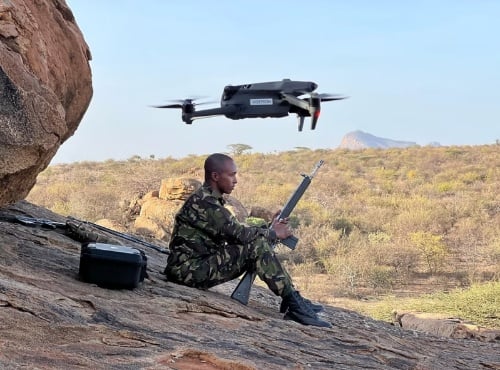
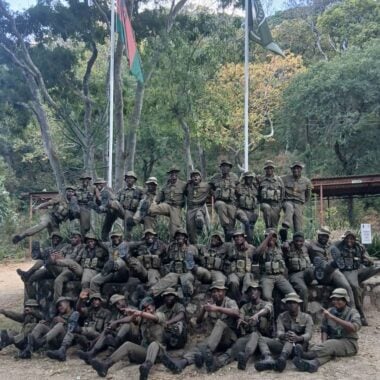
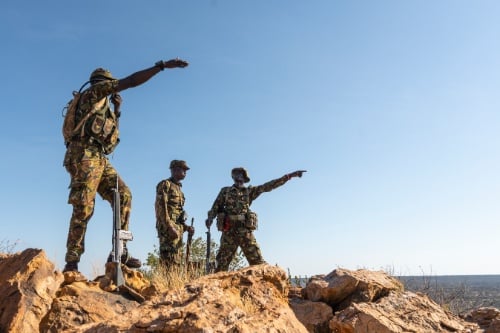
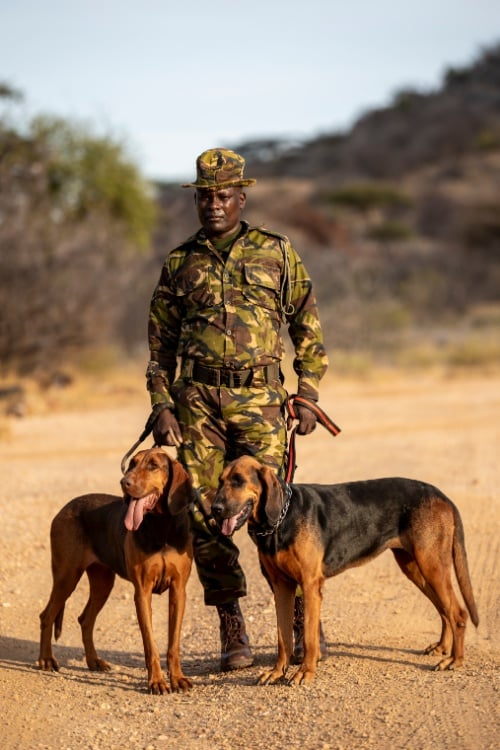
At Sera wildlife management and people management are inseparable. It’s a reality that shapes the work of Sera’s ranger teams every day. Sera employs 174 staff, with approximately 98 percent drawn directly from the local community. Many serve as community scouts (often referred to as rangers) who patrol vast areas to monitor wildlife, prevent poaching and respond to security incidents.
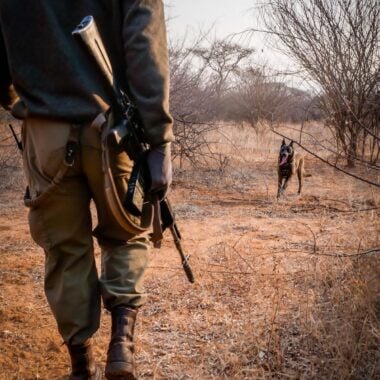
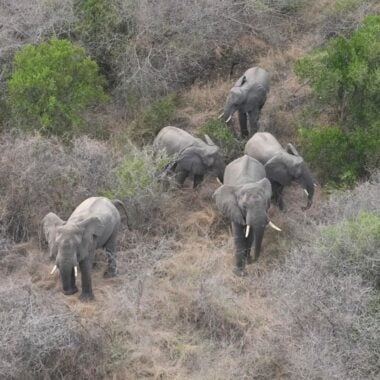
Poaching remains a constant threat, but so too does livestock theft and conflict spilling across conservancy borders. Rangers may track stolen cattle, patrol remote areas, or respond to incidents involving armed groups moving through neighbouring territories. It is demanding, high-risk work carried out in extreme heat across rugged terrain.
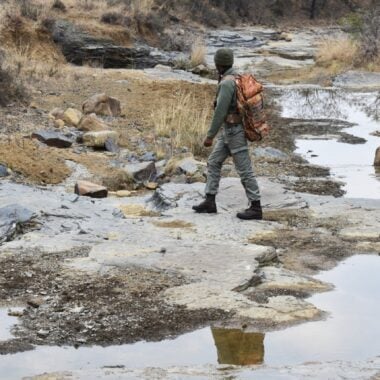
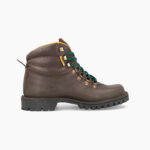
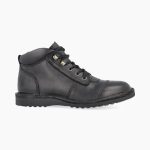
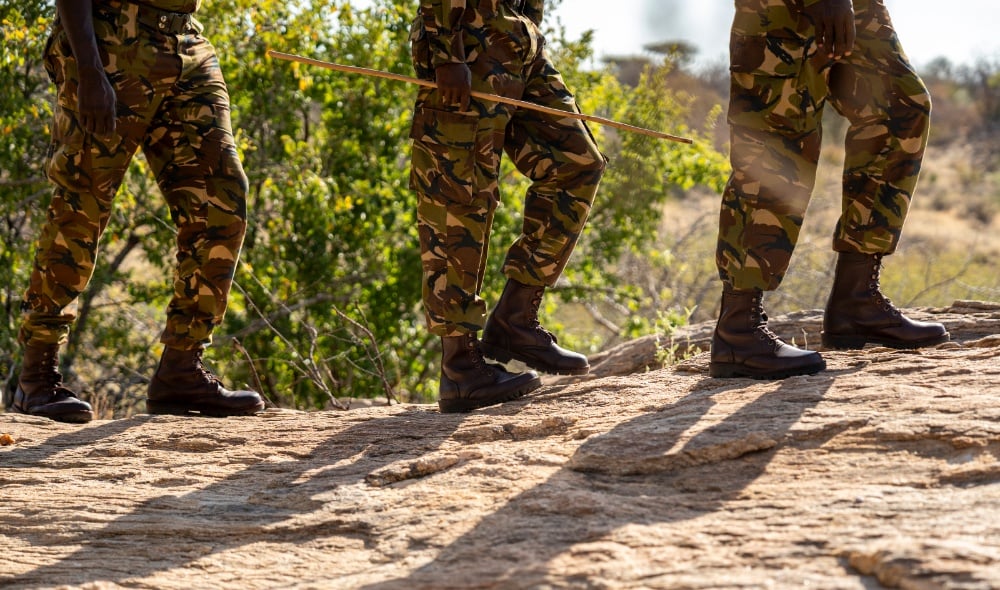
Reliable uniforms, vehicles, radios and footwear can directly affect how effectively rangers operate in the field. Reuben says receiving Jim Green boots through the Boots for Rangers initiative has made a tangible difference. “They appreciate the boots,” he says. “When they have good boots, they can work even day and night.” Simple gear can have an outsized impact when patrols stretch for hours over rocky, unforgiving ground.
As Sera has grown, so too has its influence as a conservation model. What began as an ambitious local initiative has become proof that endangered species can thrive on community land when people are given ownership, agency and meaningful benefit.
Sera’s success challenges one of conservation’s oldest assumptions: that endangered wildlife can only survive behind fences and under state control. Here, rhinos are surviving on community land, protected by the very people who live alongside them. That may be Sera’s most important achievement.
Cheers,
The Jim Green Team
Through our Boots for Rangers initiative, run in partnership with the Game Rangers Association of Africa, we donate one pair of boots to a ranger for every ten pairs sold from our Ranger range. These boots support conservation teams at sites across Africa, with over 10 000 pairs already on the ground. As of 01/08/2026