“When I was ten, I read When the Lion Feeds,” says Paul Stones, who today runs one of southern Africa’s leading safari hunting companies. “From that moment, I knew I wanted to work in the bush.”
More than three decades later, that boyhood dream has taken shape as Paul Stones Safari Africa, a professional hunting outfitter operating across South Africa and Mozambique’s Niassa Reserve. Founded in 1991 and based in Johannesburg, the company has earned its reputation for precision and professionalism, leading hunting safaris across some of Africa’s most spectacular and remote concessions.
Across Africa, the conversation around hunting and conservation is polarising. For some, it’s a contradiction; for others, it’s the engine that keeps wilderness areas alive. For Paul, who has seen these landscapes evolve over 35 years, the link between hunting and protection isn’t theoretical: it’s practical, measurable, and essential.
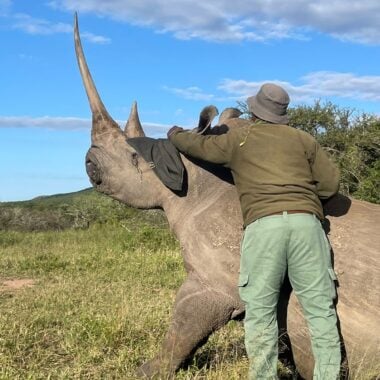
“I first went to Zimbabwe’s Zambezi Valley in 1991, and there were still black rhino,” he recalls. “Over time, most of that game disappeared. Back then, anti-poaching wasn’t really a thing. Now, it’s everything. If you want to conserve an area, you need people on the ground, and hunting helps pay for that.”
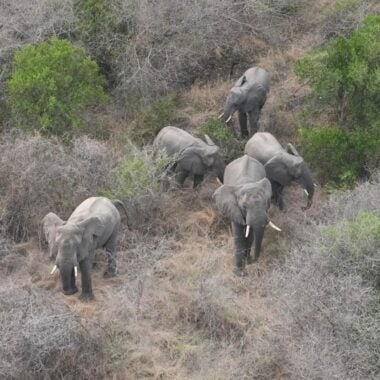
In Niassa, an immense wilderness roughly the size of Denmark, sustainable hunting is one of the few viable ways to fund conservation at scale. Every hunt operates under strict quotas and age restrictions; lions, for example, must be over six years old before they can be taken. The system forces detailed monitoring and data collection on herd health, individual animals, and habitat condition. “We have to know exactly what’s out there, what’s breeding, and what’s not,” Paul says. “It’s not guesswork. It’s science.”
That data-driven management keeps Niassa’s ecosystems in balance while ensuring that revenue from hunting directly supports those who protect them. “From a hunting standpoint, we pay for the scouts, for the community projects, for the infrastructure,” Paul explains. “A block in Niassa might generate a million dollars a year, and that’s what keeps conservation moving. The villagers don’t poach anymore because they’ve got a greater stake in it.”
That funding stretches far beyond the bush. It supports flying doctors who visit villages every six weeks to treat more than 3,000 people, maternity clinics, elephant-proof vegetable gardens, bee-keeping projects, and even a small factory making soft toys to create local employment. “If we don’t make the world around these communities a better place, they’re going to poach,” says Paul. “It’s as simple as that. Community is the number one aspect of conservation.”
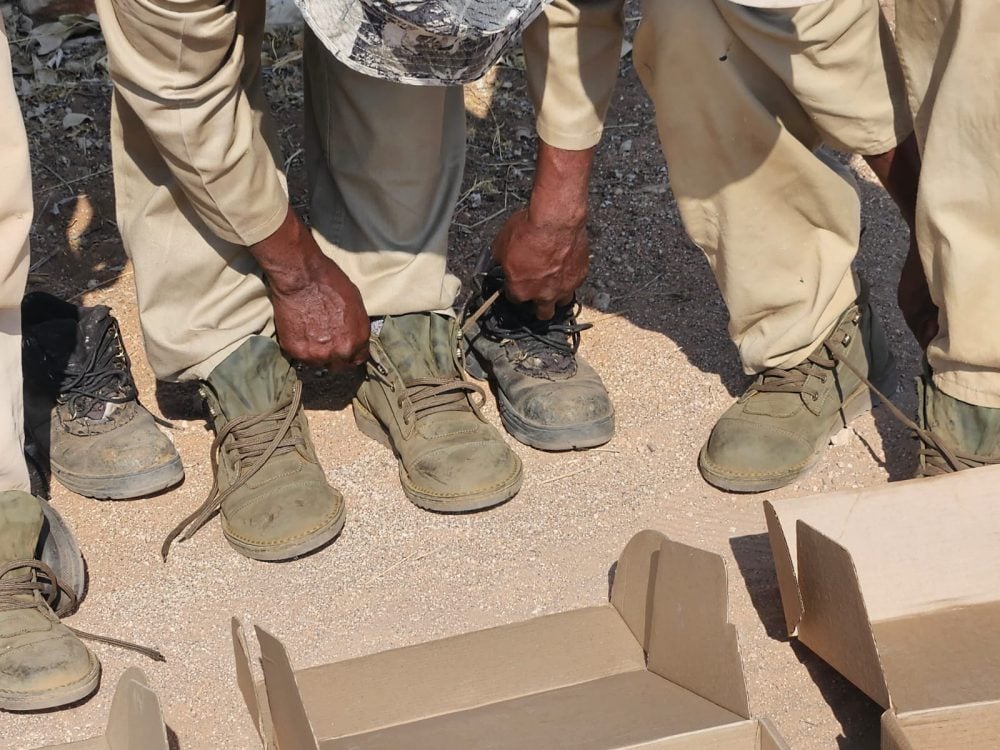
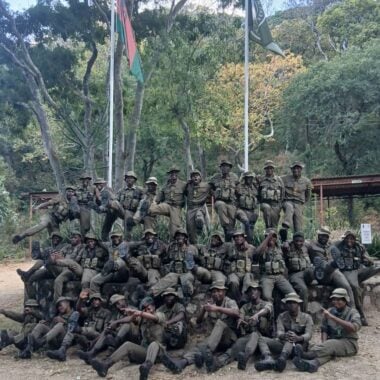
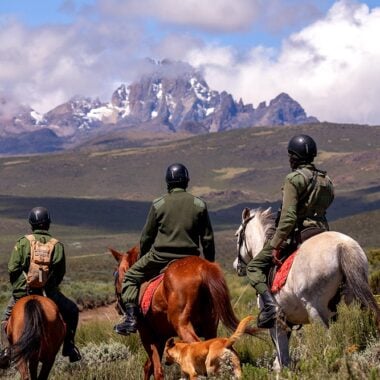
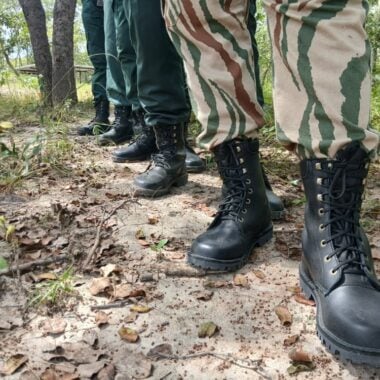
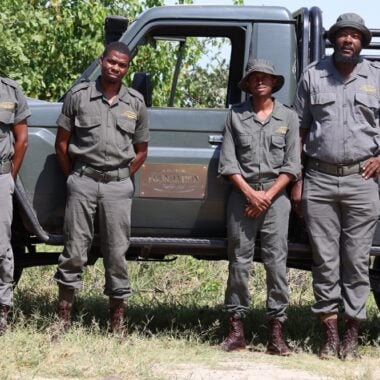
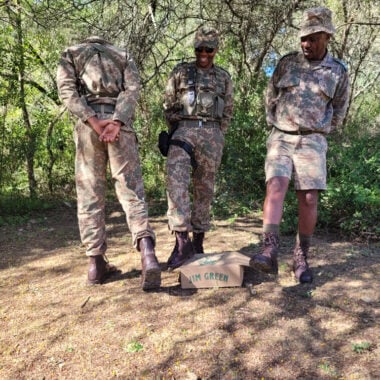
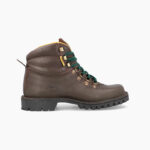
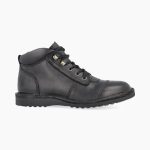
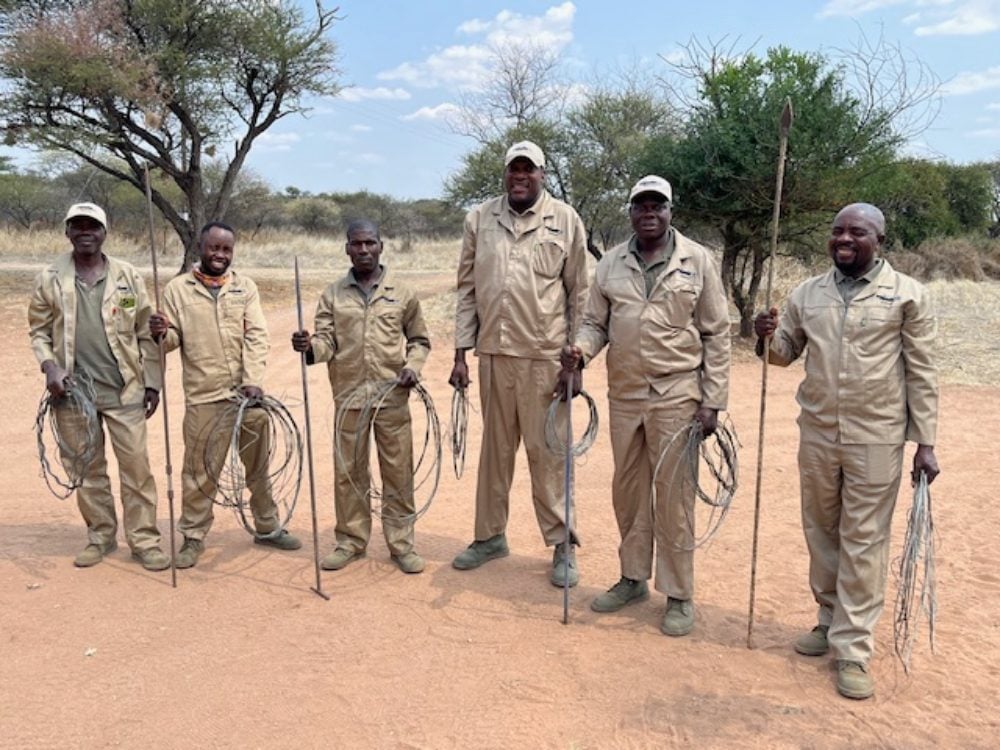
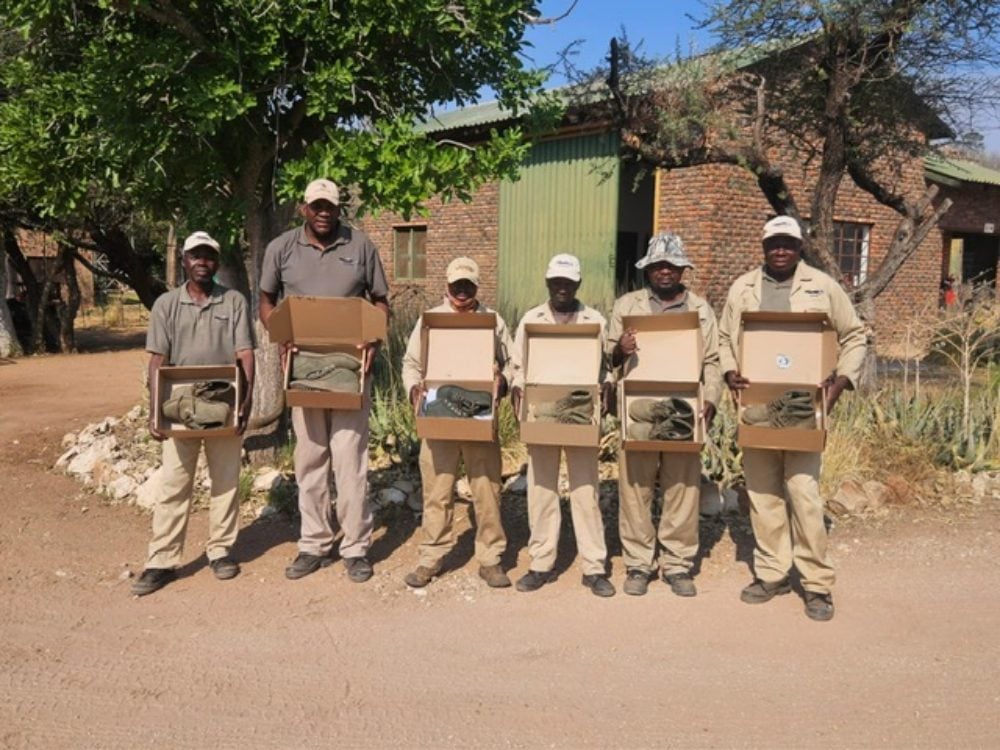
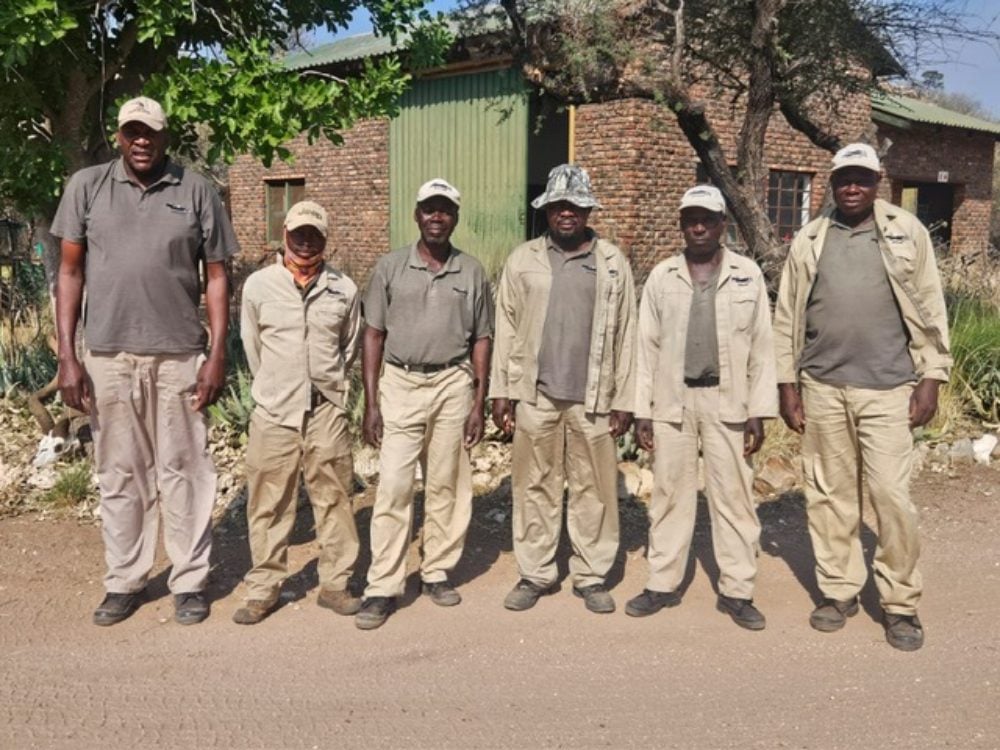
Recently, Paul Stones Safari Africa received a delivery of Jim Green boots through the Boots for Rangers initiative: 13 pairs for the South African team and 60 pairs for Niassa’s anti-poaching scouts. It’s a simple donation, but one that means everything in a place where rangers cover 20 to 30km a day through blistering heat, dense woodland, and rocky escarpments.
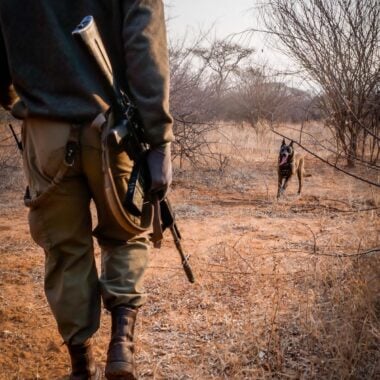
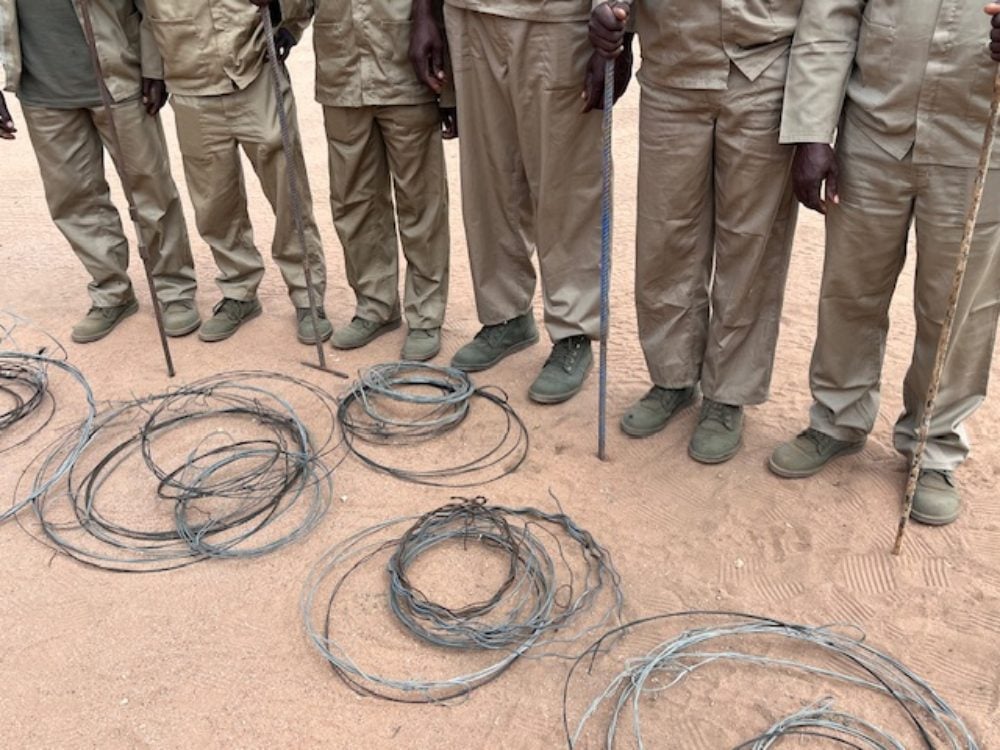
“These boots for them were fantastic,” says Paul. “They’re out there every day: walking, tracking, checking waterholes for snares, listening for dogs, following tracks to see what’s been killed and where the poachers exited. A perimeter run of ten thousand hectares takes a full day.”
Without government-funded anti-poaching units, operators like Paul Stones Safari Africa take on that responsibility themselves—employing, training, and equipping local teams who know the land better than anyone. And while the company’s roots are in hunting, its mission has evolved to include protection, research, and technology.
A new partnership with a U.S. tech firm is bringing state-of-the-art drones that are capable of detecting timber poaching, illegal fishing, and hidden camps along the riverbanks. “What we can do with that drone will change the world,” Paul says. “But even then, you’ll never replace boots on the ground. The tech just helps them do what they already do, better.”
Across Africa, the future of conservation is being shaped by the realities of economics and community—not ideals. In places like Niassa, the argument isn’t about the ethics of hunting; it’s about survival, balance, and the people who walk the line between them every day.
Because in the end, this work isn’t about trophies. It’s about stewardship and people who are willing (and equipped) to walk for it.
Cheers,
The Jim Green Team
*Through our Boots for Rangers initiative, run in partnership with the Game Rangers Association of Africa, we donate one pair of boots to a ranger for every ten pairs sold from our Ranger range. These boots are now supporting conservation teams at sites across Africa, with over 6,000 pairs already on the ground.